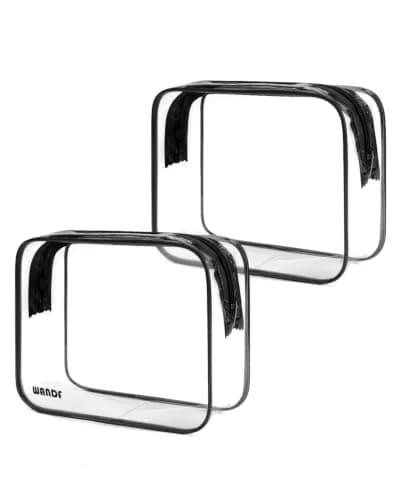
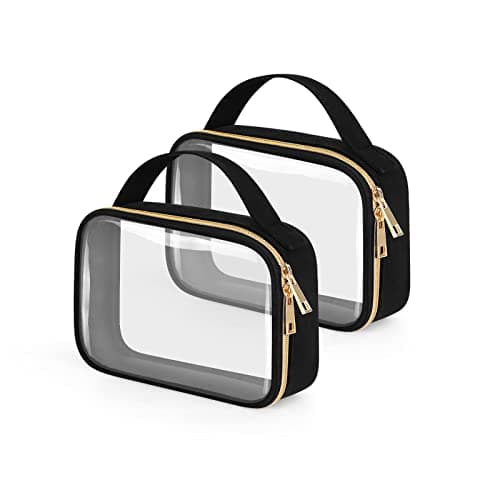
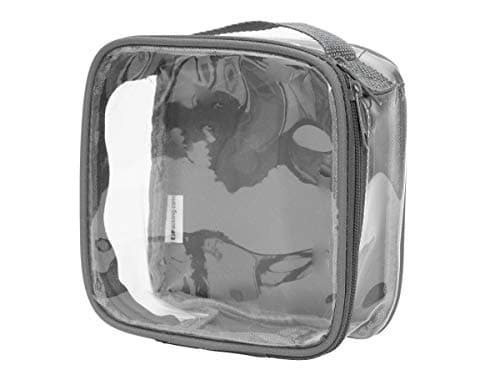
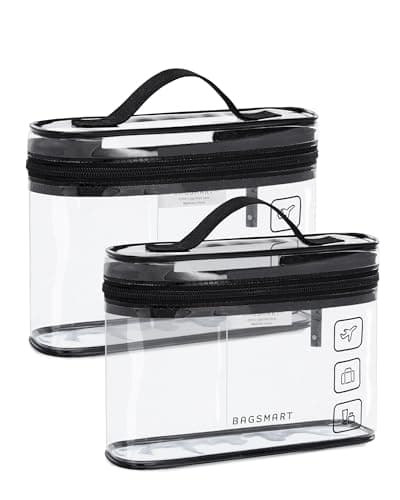
The verdict first. The BAGSMART Clear Quart-Size Bags (2-Pack) are the best buy for most travelers — two bags with a clear front panel and a zip top, for the person who wants the checkpoint to be fast and wants the spare already packed when a zipper eventually fails. The budget pick is the WANDF Clear Quart-Size 2-Pack, which works out to the lowest cost per bag of any liquids container we track. If you fly constantly and want one bag that lasts, the EzPacking vinyl quart bag is the durable choice at roughly five times the per-bag cost, and we say so rather than burying it.
Now the correction, because it is the reason this page exists: nothing on this page is TSA-approved, because there is no such thing. The TSA's own published liquids rule, read on the date in Sources, says you may bring "a quart-sized bag of liquids, aerosols, gels, creams and pastes" in a carry-on, "limited to travel-sized containers that are 3.4 ounces (100 milliliters) or less per item." That is a size rule. It describes no approval scheme, no certification and no list of blessed products. When a listing says "TSA approved", what it is actually claiming is that the bag holds about a quart — which is a claim worth checking and not a credential.
Which means the only honest spec is what it costs
Here is the awkward fact about this category: not one of these listings publishes an interior dimension. No width, no height, no film thickness, no capacity in cubic inches. "Quart size" is the entire published specification, and it is the same specification on every product. So the usual roundup method — compare the numbers — has exactly one number available, and it is the price.
So we used it properly. Divide each live price by the number of bags in the pack and you get cost per bag, which is the figure this category is really sold on even though nobody prints it. Across the four quart bags ranked above, that figure spans roughly fivefold — the single vinyl bag costs about five times per bag what the cheapest pair does. That is our arithmetic on the live prices in the table above, not a published figure, and it is the most decision-relevant number on the page.
Why a 2-pack is the structurally correct purchase
A liquids bag is not luggage. It is a wear item with one moving part, and that part is the closure. Think about what you do to it: open and close it at every checkpoint, pull it while it is wet, force it shut over a bottle that is a few millimetres too tall, leave it compressed under a packed case for a week. Zips fail, and film tears at the corner of the zip first.
That is why three of the four quart bags here ship in pairs, and why the pairs sit at the top of our ranking. The spare costs almost nothing and it is in your case when you need it. The counter-argument is real and it belongs to the vinyl bag: a heavier film with a stiffer body simply fails less often and stands up on a screening tray instead of slumping. If you fly every month, buy durability; if you fly twice a year, buy two cheap bags and spend the difference on travel bottles, which is where the actual improvement lives.
The thing a better bag cannot fix
The rule limits the containers, not just the bag: 3.4 ounces or 100 millilitres per item. No quart bag, at any price, makes a full-size shampoo bottle legal in a carry-on. The whole category exists downstream of decanting, which is why the single highest-value purchase in this part of your kit is a set of small bottles rather than a nicer envelope to put them in. For the method — what to decant, what to leave, how to stop the lot leaking — how to pack liquids in a carry-on is the page, and best travel bottles under $25 is the cheap way to do it.
One exemption is worth knowing because it changes what you need to carry: the TSA's published rule lists medications as an exemption to the quart-bag limits. If prescriptions are a large part of what you are packing, the container you want is not a liquids bag at all — see best travel medicine bags, which ranks that category on whether a product can carry the original labelled bottle. Check your airline's and your destination's own guidance as well; the figures quoted here are from the TSA page in Sources and nothing else.
Clear or opaque, and what screening actually rewards
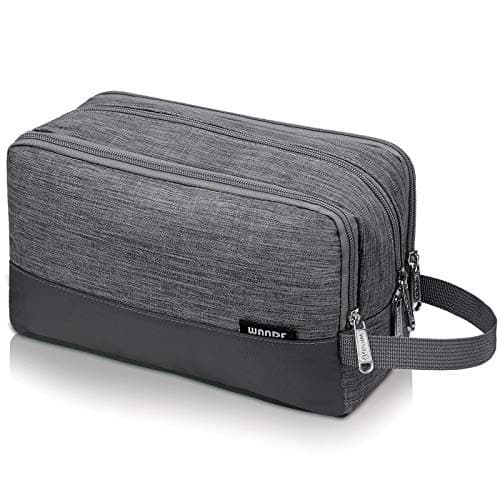
Four of the five picks are transparent and one is not, and the difference is not cosmetic. A clear bag of bottles can be read on the belt; an opaque bag of bottles is a bag somebody opens. If you want the fastest possible checkpoint, buy clear — that is the whole argument, and it is the same one that drives the clear toiletry bag format generally. The opaque pick earns its place for a different reason: it is a proper zipped bag that survives a backpack, and some travelers would rather have that and accept the occasional inspection.
How we picked these, and what we could not check
Every pick above carried a live price and a buyable offer in our feed on the day this page was written, and the as-of date of that check is printed under the comparison table. No price appears in this text, because a number written into a sentence is a claim that quietly rots.
What we could not check, stated plainly. We have not handled these bags, measured one, or put a zip through a failure test. Every property above — quart sizing, clear panels, handles, vinyl, reusability, quart-bag-friendly sizing — is the manufacturer's own published claim, read off the listing on the date in Sources. No listing in this category publishes an interior dimension or a film thickness, so no capacity or durability figure is quoted anywhere above; the cost-per-bag numbers are our arithmetic on the live price divided by the published pack size, not a published figure. The TSA wording quoted on this page comes from the TSA's own liquids rule page, linked in Sources and read on 2026-11-22; we make no other regulatory claim, and we do not claim any product here is approved or certified by anyone. Our scores are judgments from published listings and documented research, which is what our methodology says in exactly those words.
Three questions, in the order that decides this.
1. How often do you fly?
This is the only question that changes the answer. A few times a year: buy a cheap pair and replace them when the zip goes, because the per-bag cost difference here is roughly fivefold and nothing else separates the products. Every month: buy the heavier vinyl bag once, because a bag that holds its shape on a tray and does not collapse half-full is genuinely less annoying three hundred times than it is once.
2. Clear, or a bag you would be happy to own?
Clear is faster through screening — that is a real, repeatable benefit, not a preference. An opaque zipped bag is nicer to use the rest of the time and more likely to be opened at the checkpoint. There is no option that is both, so pick the trip you actually take.
3. Have you decanted yet?
If the answer is no, stop shopping for bags. The rule caps each container at 3.4 ounces or 100 millilitres, so a quart bag is the second half of a job whose first half is small bottles. Buying a nicer bag before you own bottles is the most common way to spend money here and change nothing.
What not to buy
Do not pay a premium for the words "TSA approved" — the published rule describes a quart-sized bag and 3.4-ounce containers, and no approval programme for the bag, so the phrase is a size claim dressed as a credential. Do not buy a single bag unless you are specifically buying the durable one: the closure is the failure part and the spare is the point. Do not buy a bag with pockets and dividers for this job — anything that reduces how clearly the contents read on a belt is working against the only thing this bag does. And do not expect a quart bag to be your whole toiletry kit; if you want one bag for everything, that is the toiletry bag roundup, and it is a different purchase.