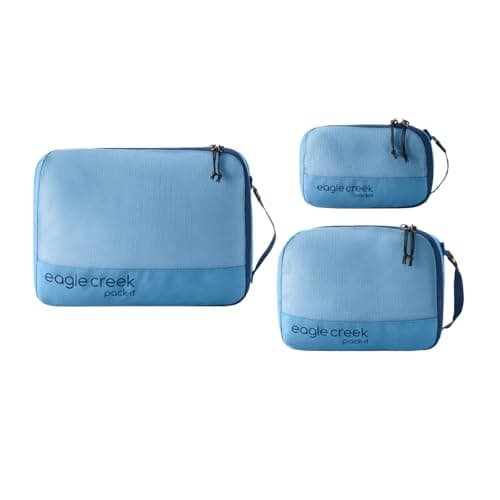
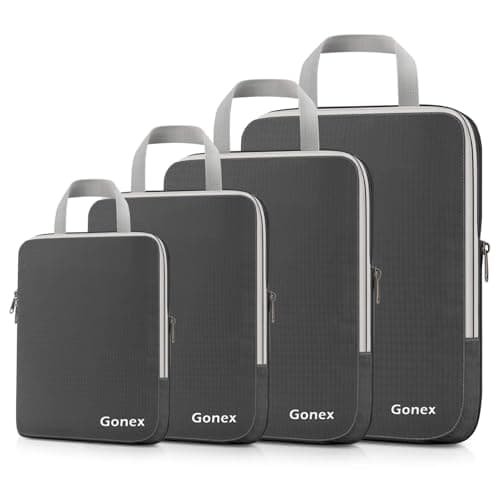
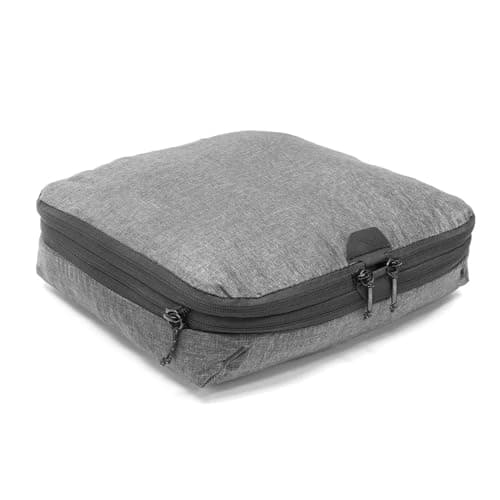
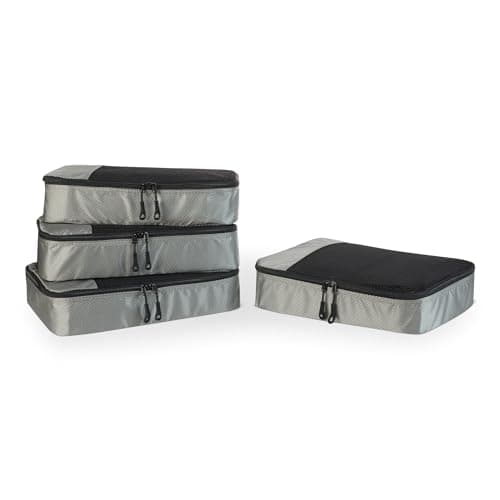
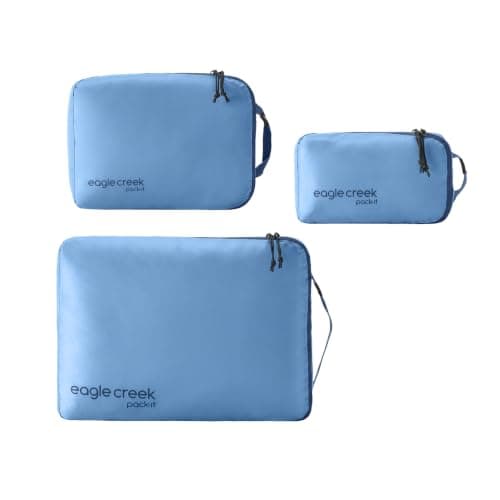
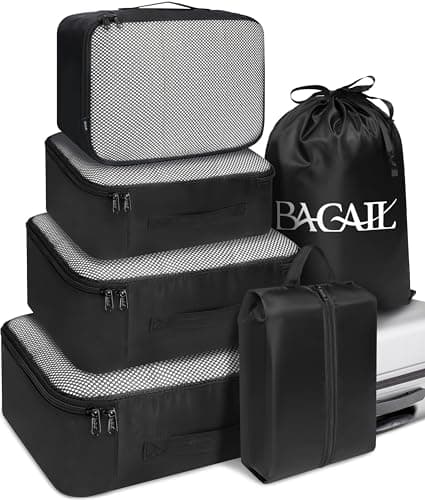
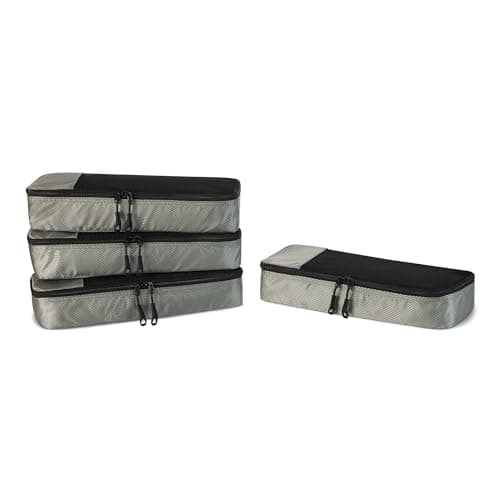
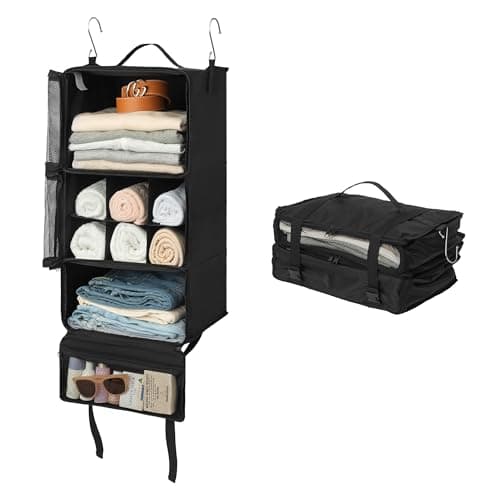
Traveling changes the calculus. At home a cube is a drawer divider; in a bag it has to fit a fixed space, survive being crushed and repacked daily, and earn every gram against an allowance. These are the factors that actually decide it — in the order they decide it.
01
Fit the bag before you fit the wardrobe
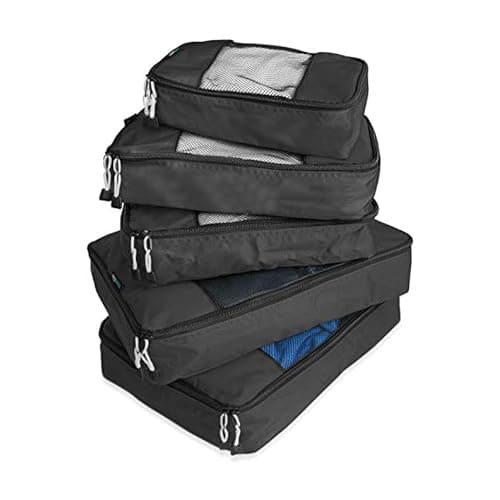
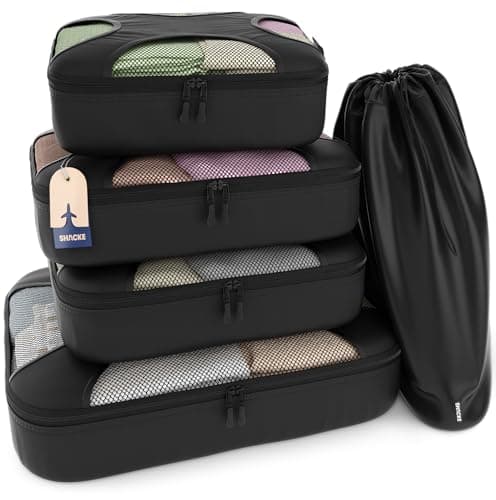
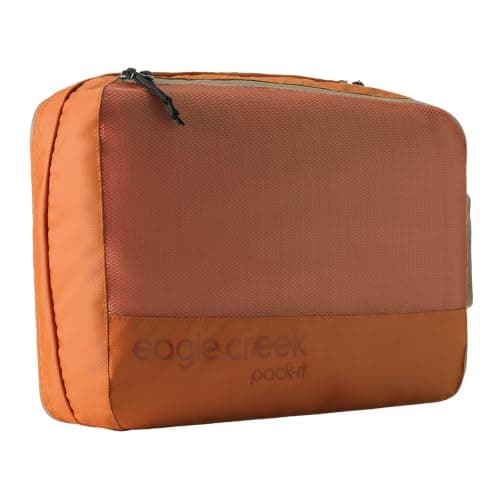
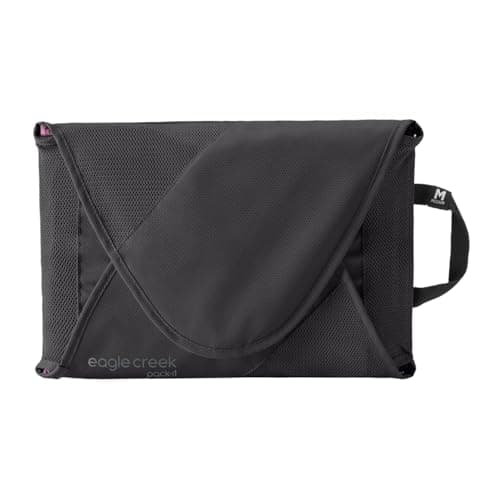
The constraint on a travel cube is geometry, not capacity. A large cube that won't lie flat in your carry-on wastes more room than it organizes, so measure the cube's longest dimension against your bag's interior width first. Sizes aren't standardized between brands — one company's "large" is another's "medium" — which is why the sizes guide exists.
02
Compression only pays on clothes that hold air
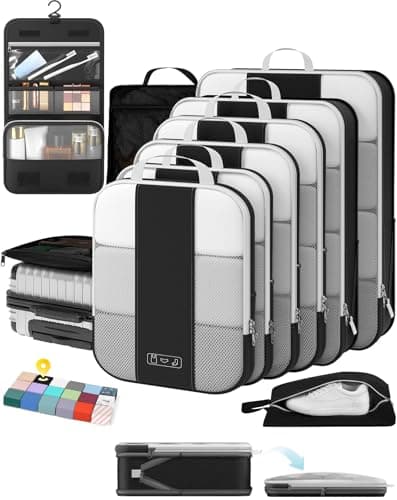
The second zipper removes trapped air and nothing else. On a puffer, a fleece or a week of t-shirts that reclaims a genuinely useful chunk of a cabin bag; on jeans or a packed toiletry kit it does close to nothing while adding weight and cost. Buy compression for a soft, bulky load — otherwise a regular set organizes identically for less. The compression hub has the full trade-off.
03
Three cubes, scaled — not more cubes
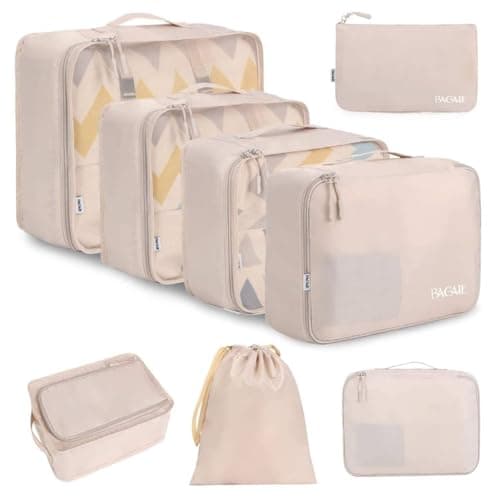
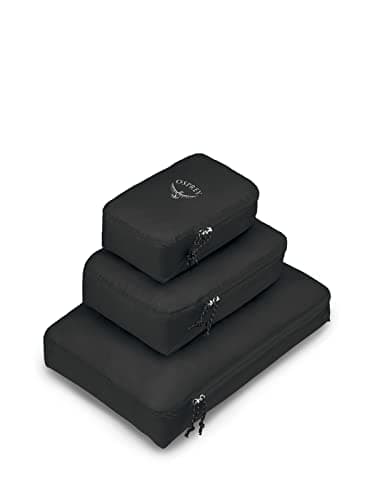
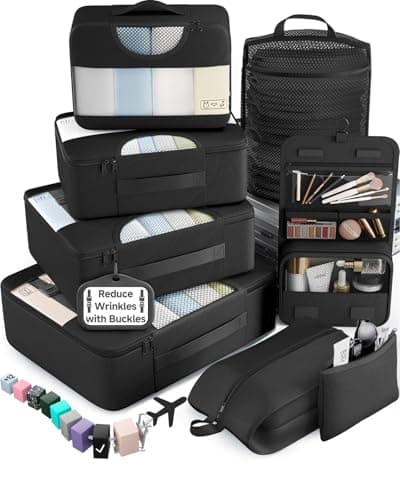
Most trips are covered by three: tops, bottoms, and a small one for underwear, socks and tech. A longer trip needs larger cubes, not extra ones, plus a laundry bag past a week. That makes the useful set size four to six pieces for one traveler — bigger sets earn their keep for families sharing a suitcase. The count guide has the chart.
04
Cost per cube is the only comparable price
Set prices are unusable for comparison because sets aren't the same size — a 10-piece and a 3-piece at similar money are wildly different buys. Divide the live price by the marketed pieces and the category reorders itself instantly. We compute that number live on every card and in the table above; the arithmetic is in our published rubric.
05
Mesh tops or solid panels
Mesh lets you identify a cube without opening it and lets damp clothes breathe — worth a lot on a multi-stop trip where the bag is packed and repacked daily. Solid panels contain better, hide contents from a hotel roommate or a shared cabin, and hold their shape when stacked. Neither is better; they answer different questions about your trip.
06
The zipper is what fails, not the fabric
Cube fabric rarely wears out — zippers do, and compression zippers fastest, because they pull against a stuffed cube every single time. That's the real difference between a budget set and a premium one, and it's why a compression set is the one place paying up buys something measurable. Ripstop resists the tear that a snagged zipper starts.
07
Weight, against an airline allowance
An empty set is still fabric and zippers, so it costs you grams before you pack anything. On a checked bag that's noise; against a strict budget-airline cabin limit it can be the difference at the gate, which is exactly why ultralight sets exist. The arithmetic against a real allowance is in do packing cubes add weight.
08
Warranty scales with how often you fly
A lifetime warranty is worth real money to someone flying monthly and worth nothing to someone taking two trips a year — the budget set organizes the bag identically either way. Be honest about your travel frequency before paying the premium; it is the single factor that most often turns a "best" pick into the wrong buy.