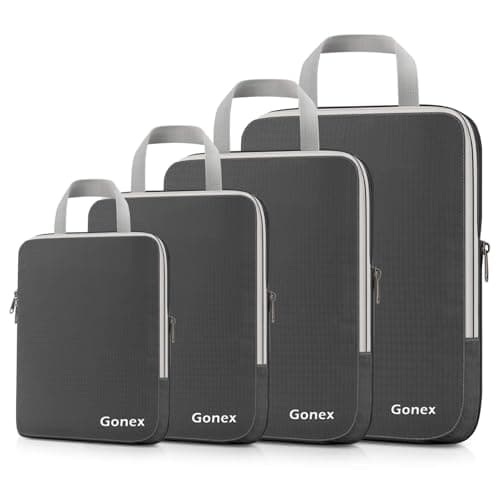
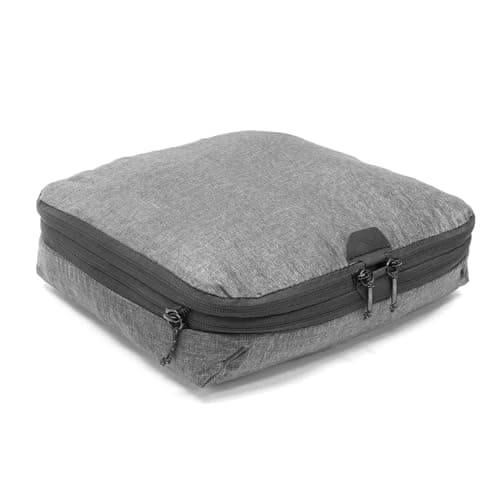
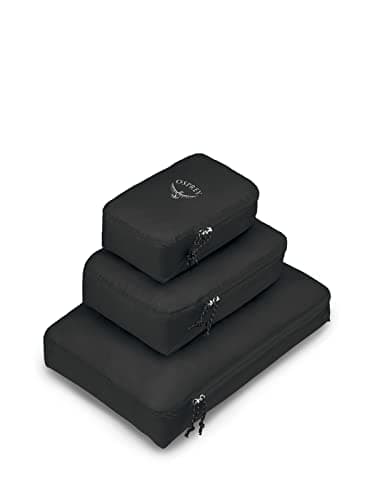
For a one-bag setup the buy is the Osprey Ultralight set: nano ripstop, packable when empty, and designed around the one number a one-bag traveler actually optimizes. If your bag will not close rather than being too heavy, buy the Gonex compression set instead — and if you want the most one-bag-consistent purchase on the page, buy exactly one Peak Design medium cube and nothing else.
Why one-bag travel needs its own page
In a suitcase, a packing cube is free. You are under the weight limit, the case has spare volume, and the cube's own fabric costs you nothing you notice. In a 35 to 45 litre bag that is your entire luggage for two weeks, nothing is free: the cube's fabric is volume you are not filling with clothes, and its weight is charged against the same allowance as your shoes. That inverts the ranking. The premium set with the thickest fabric and the best zippers is not automatically the best cube here — the thin one often is.
This is a different reader from two neighbouring pages, and it is worth saying which is which so you land on the right one. Our minimalist roundup is about owning fewer and smaller cubes as a philosophy, whatever bag you carry. Our backpacking roundup is about hiking packs, hostels and abuse. This page is about the specific arithmetic of carrying one bag and checking nothing: a fixed volume, a fixed weight allowance, and a wardrobe that has to come out of both.
The three things that decide it
- Which constraint is actually binding. If your bag will not close, you have a volume problem and compression solves it. If your bag closes but weighs too much, you have a weight problem and compression does nothing at all — it removes volume and zero grams. Work out which one you have before you spend anything, because the two answers are opposite cubes.
- Cube weight as a share of the allowance. A six-piece compression set is a meaningful fraction of what a one-bag traveler is carrying. Most brands on this page publish no empty weight, which is itself informative — the ones that do tend to be the ones proud of the number. Our cube weight guide works through the four published figures our catalog actually holds and refuses to print one for the brands that publish none.
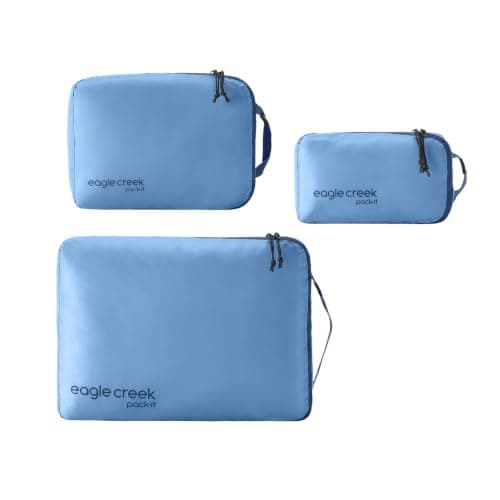
- How you load the bag.A top-loading one-bag backpack rewards cubes with handles and solid stackable sides, like Eagle Creek's Isolate set — you lift a drawer out rather than digging. A clamshell bag opens flat and behaves like a suitcase, where any cube works and visibility matters more than structure.
The comparison table
Published listing detail only. Where a brand publishes no empty weight — which is all of them here, including both premium sets — the cell says so instead of carrying an estimate.
| Pick | Pieces | Fabric, per the listing | Compression | Empty weight published? |
|---|
| Osprey Ultralight | 3 | Nano ripstop, packable | No | No |
| Gonex Compression | 4 | Ripstop nylon, expandable | Yes | No |
| Peak Design Medium | 1 | Weatherproof, dual-compartment | Yes, built in | No |
| Eagle Creek Pack-It Isolate | 3 (XS / S / M) | Solid panels, top handle, stackable | No | No |
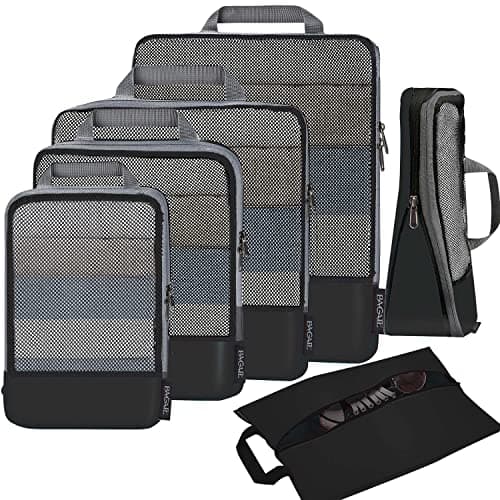
| Bagail Compression | 6 | Half-mesh, expandable | Yes | No |
How we ranked them
Weight first, because it is the criterion that separates this page from every other roundup on the site — fabric, construction and published figures where they exist. Compression — whether the set has the second zipper, and whether the clothing a one-bag traveler carries is the kind it works on. Pack shape — handles, stackability and whether the cube behaves like a drawer in a deep bag. Durability — a one-bag setup gets used every trip rather than twice a year. Value — live price divided by pieces.
Every score is a judgment from documented specs and listing detail, not a measurement: our methodology says so plainly and we do not run a lab. Prices are live from Amazon with an “as of” stamp.
The case for no cubes at all
It deserves stating on this page specifically, because a serious minority of experienced one-bag travelers pack without cubes and are not wrong. If your bag is a clamshell, your wardrobe is six items, and you can see everything when you open it, cubes add fabric, weight and cost in exchange for an organizing benefit you were already getting from a small wardrobe. The cubes start earning when the bag is a top-loader, when the wardrobe crosses roughly ten items, or when you share the bag. Our are packing cubes worth it guide takes the honest yes-and-no at length, and packing cube alternatives covers what else does the job.
The buyer's guide: cubes inside a fixed allowance
Decide volume or weight, then buy once
Weigh your packed bag on a luggage scale and measure it against the carrier you fly most. If you are over on volume, buy compression. If you are over on weight, buy ultralight and then take something out — no cube on this page or any other removes a gram from your clothes. The most common expensive mistake in this category is buying a heavy compression set to solve a weight problem, which makes the problem very slightly worse.
Count your categories honestly
One-bag wardrobes collapse into fewer categories than people expect: tops, bottoms, underwear and socks, and laundry. That is three cubes plus a laundry solution, which is why three-piece sets dominate this page and why the Peak Design medium's second compartment is such a good fit — it absorbs the laundry category into the cube you already have. If you find yourself wanting six cubes for one bag, the cubes are not the problem.
Make the return leg part of the plan
A one-bag traveler packs twice: once at home with everything folded, and once on the last morning with everything worn, damp and in a hurry. Sets that collapse flat when empty (the Osprey) or expand (the Gonex and Bagail) are the ones that survive the second pack. Fixed-volume cubes that were exactly right on day one are the ones that stop closing on day fourteen. Our how to pack a backpack with cubes guide covers the loading order for a top-loader specifically.
Laundry is a one-bag problem, not a long-trip problem
With one bag you are washing things, whatever the trip length, so dirty clothes need a home from day two. The cheapest answer is a dedicated container rather than a spare cube — see travel laundry bags — and the lightest answer is a divided cube like the Peak Design or the sets on our packing cubes with a laundry bag roundup, which bundle the bag rather than making you carry a second one.
The things that are not clothes
One-bag travel fails on the small stuff more often than on the wardrobe. Chargers, toiletries and shoes each need a container a cube is bad at, and in a bag this size the wrong container costs you real volume. The hub for all of it is travel organization; the three that matter most for one bag are a tech organizer, travel bottles sized to the liquids rule, and a shoe bag so pavement dirt stays away from a wardrobe you cannot replace.
The short version
Osprey Ultralight if you want one set that is light, packs flat and sorts well. Gonex compression if the bag will not close. One Peak Design medium if you want the purest one-bag purchase and are happy with one clothing category plus laundry. Eagle Creek Isolate if you load from the top of a deep bag and want drawers with handles. Bagail compression if you want the mechanism at the lowest possible price and will accept the weight. And if your bag is a clamshell with six items in it, buy nothing and spend the money on merino. More trip shapes on the best packing cubes hub.