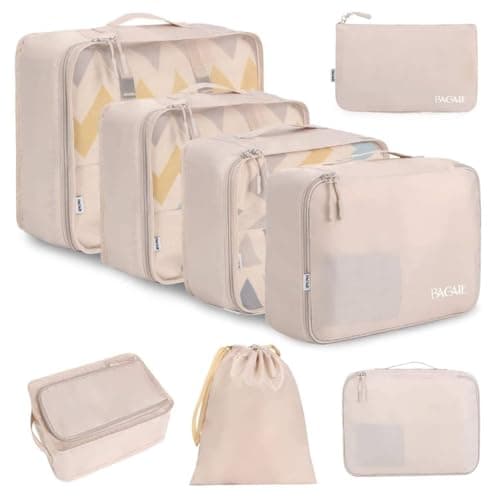
For organizing clothes, a packing cube wins and it is not close - but keep the zip bags for liquids, for anything wet and for electronics cables. That is the verdict, and the reason this question keeps getting asked is that a gallon zip bag is genuinely good at three things: it is transparent, it is waterproof, and you can kneel on it to force the air out. Those are real advantages. They are just not the advantages that matter most for the clothes in your suitcase.
The honest framing is that these are not competing products, they are two tools that overlap in one place. A cube is a reusable fabric box that keeps its shape and divides a bag. A zip bag is a disposable waterproof envelope that goes flat. Most people who ask this question are using zip bags for everything, and the correct answer is not “throw them out” - it is “move the clothes into cubes and keep the bags for the three jobs they are actually better at.”
Where the zip bag genuinely wins
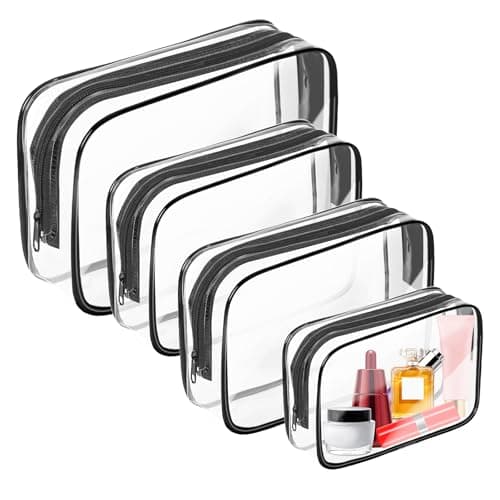
Liquids at security.The published rule is travel-sized containers of 3.4 ounces (100 ml) or less, together in one quart-sized resealable bag, one per passenger. A clear resealable bag satisfies that; a fabric cube does not, because the officer cannot see through it. Worth saying plainly: no bag is “TSA approved” - the TSA approves, certifies and endorses no luggage of any kind, and sellers using the phrase mean “complies with the rule.” We take the same position in are packing cubes TSA approved, and the full rule is in how to pack liquids in a carry-on.
Anything wet. A swimsuit on the last morning, a damp towel, a leaking bottle you caught in time. A fabric cube passes water straight through to whatever it is packed against; a sealed plastic bag does not. This is the one failure mode where the free option is not just adequate but correct.
Small loose items you need to see. Cables, adapters, a spare charger - though a dedicated tech organizer beats both once you own more than three.
Where it loses, and why
| The job | Zip bag | Packing cube | Why |
|---|
| Keeping a case tidy on day six | Poor | Good | A bag collapses as it empties; a cube holds its box shape |
| Opening and closing daily | Poor | Good | A zip seal is a two-hand operation and fails after enough cycles |
| Creasing | Poor | Fair | Plastic grips fabric and creases it where it folds against the seal |
| Noise | Poor | Good | A plastic bag in a shared hostel room at 5am is its own argument |
| Forcing air out | Good | Fair | You can kneel on a bag; a plain cube has no mechanism at all |
| Waterproofing | Good | Poor | Fabric wicks; sealed plastic does not |
| Cost | Good | Fair | Pennies against a set, though cost per trip converges fast |
If what you liked was squeezing the air out
Then you do not want a cube, you want a compression bag - and the distinction matters more than the brand. Kneeling on a zip bag works on the same principle as a roll-up compression bag: push the air through a one-way exit and seal it. The difference is that a compression bag has a valve designed for the job, holds the seal, and does not pop open in the case. A twelve-pack costs less than a cube set. What you give up either way is access - a sealed, rolled bag is the opposite of something you open every morning - and you save no weight at all, which is the point of do compression bags reduce weight. The full comparison is in packing cubes vs compression bags.
The arrangement we would actually use
Cubes for all clothing, divided by category. One clear quart bag for liquids, in the outer pocket where you can hand it over without opening the case. One sealed bag folded flat at the bottom of the case for whatever is wet on the last morning - it weighs nothing until you need it. And if your case is genuinely over-full, one or two roll-up compression bags for the bulky layers only. That is three tools doing three jobs, which is cheaper and more reliable than asking one of them to do all three. Packing cube alternatives covers the rest of the field, including stuff sacks and shopping bags.