Pack a cruise around three facts: your main luggage may not reach the cabin for several hours, the cabin is smaller than any hotel room you have stayed in, and you will generate wet clothes every day. Which means: a day bag you carry on yourself with everything you need until dinner, a hanging organizer so the cabin gains shelves it does not have, and a lined wet bag from day one. Everything else is a normal packing list.
This is the method. If you want the cubes themselves ranked for a cruise cabin, that is best packing cubes for a cruise. One note before anything else: cruise lines differ substantially on dress codes, what you may bring aboard, and prohibited items - irons and steamers are banned in cabins by most lines, and alcohol policies vary widely. Check your own line's published list; we are not going to state one line's policy as though it were universal.
The embarkation-day bag everyone forgets
On most sailings you hand your main luggage over at the terminal and it is delivered to the cabin at some point that afternoon or evening - which can easily be after the ship has sailed and after the pool has opened. Everything you need before then travels in a bag you carry yourself. That means: swimwear if you intend to use the pool on day one, medication and anything you cannot replace, travel documents, a change of clothes, sunscreen, a phone charger, and whatever your line requires you to carry through embarkation. People who skip this step spend the first afternoon in the clothes they travelled in.
The cabin is the constraint, and it is vertical
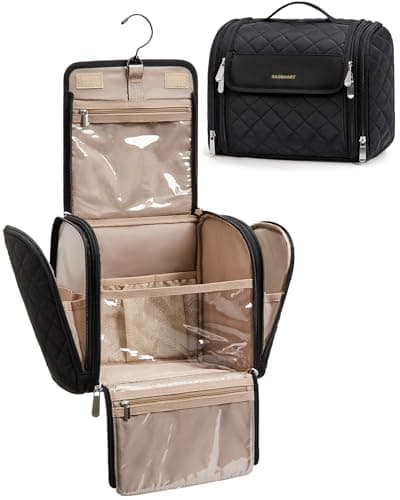
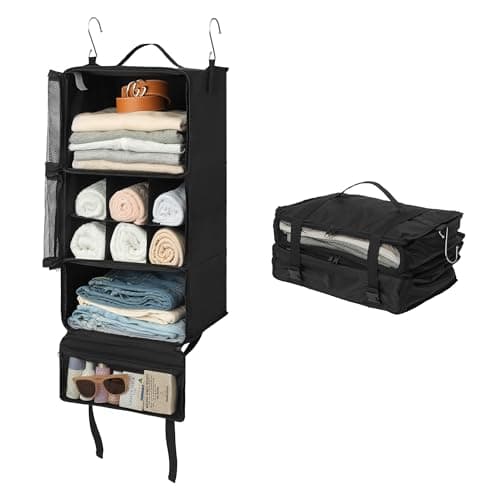
A standard cabin has a small closet, a few shallow drawers if you are lucky, a bathroom with essentially no counter, and almost no floor space once the cases are in. What it does have is hanging space and, on many ships, magnetic walls - the ship's structure is steel, and magnetic hooks stick to it, which is why experienced cruisers carry them. The packing implication is to think vertically. A hanging organizer turns one rail into four shelves. A hanging toiletry bag turns a hook into a bathroom counter. Over-the-door organizers do the same for small items. Our are hanging packing cubes worth it guide is the honest yes-and-no on the format generally; a cruise is the scenario where the answer is unambiguously yes.
Two more cabin facts worth packing for. Cases usually fit under the bed, which means the case is storage and should be emptied rather than lived out of. And a nightlight or a small torch earns its place, because an interior cabin is genuinely dark - there is no window and no ambient light at all.
Formal nights, and what a dress code actually means
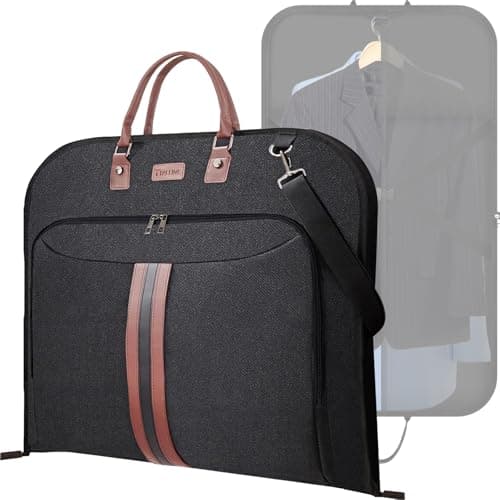
Most lines run one or more dressier evenings, and the names and expectations vary by line and by itinerary - check yours rather than guessing. The packing principle holds whatever the label: the dressy items are the ones that must arrive uncreased, and they are also the ones you wear once or twice. Carry them hanging if you can, in a garment bag that goes straight onto the closet rail; if they must go in the case, they are the flat top layer with nothing on them. Remember that you cannot iron in the cabin on most lines - the practical fix is a hot shower in a closed bathroom, which is why hanging the garment on arrival matters more here than anywhere.
The wet half, every single day
This is the part the general packing guides miss. A cruise produces damp clothing daily - swimwear, a pool towel, something soaked on a tender or a port day - and the cabin has limited air and no outdoor line. The system that works is two lined bags: one for genuinely wet items, one for worn-but-dry. A drawstring bag will not do for the first, because damp passes straight through to whatever it is next to, and in a small cabin that is your clean clothes. Hang swimwear over the shower rail or the balcony rail where allowed, and expect it to be slower to dry than at home. Our laundry bag roundup ranks the lined options, and how to pack dirty clothes covers keeping the clean half clean for a week.