Compression bags are worth it if you are packing bulky, lofted clothes into a bag limited by volume, on a trip where you will not need to open the bag before you arrive. If any one of those three is false, they are the wrong purchase — and if your problem is an airline weight limit rather than a space limit, they are worse than useless, because they make it easy to build a small heavy case you then pay excess on.
What they genuinely do
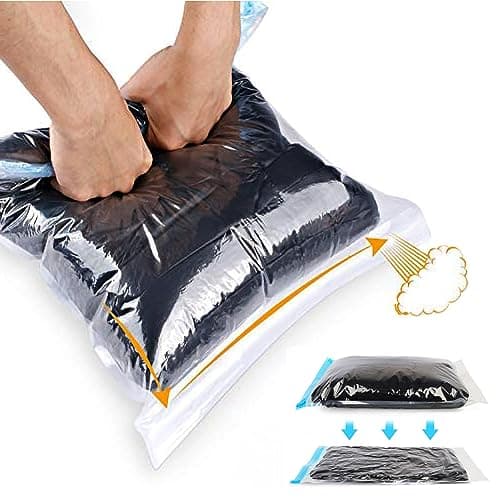
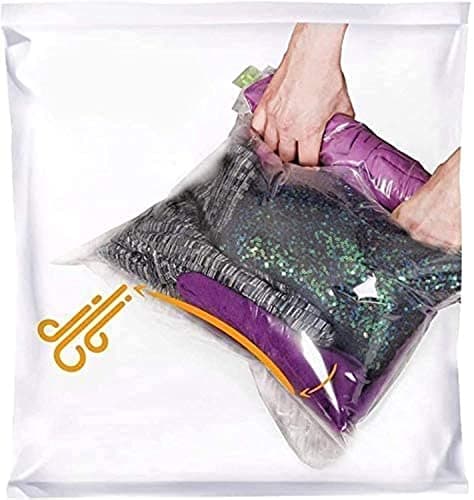
A compression bag works by removing air rather than by squeezing. You seal clothes inside an airtight sleeve and then push the air out, either with a pump or by rolling the bag so it escapes through a one-way valve. Because most of the volume in folded clothing is trapped air, taking the air out does more than any amount of pressing can.
The effect is real and it is also very uneven. Items that are mostly air — t-shirts, knitwear, fleece, a down or synthetic puffer — collapse dramatically. Items that are already dense — jeans, chinos, shoes, a shell jacket, anything with hardware in it — do essentially nothing, because there was no air to remove. That single fact explains most of the disappointed reviews in this category: the bag worked exactly as designed on a load that had nothing for it to do.
We publish no percentage figure for any of this. The listings in this category routinely claim specific space savings and none of them publish a test method, we have not measured one ourselves, and we do not print numbers we cannot source. What we can tell you is the mechanism and where it applies.
The four situations where they are not worth it
- Your problem is the weight limit. This is the big one. Compression removes volume and exactly zero weight — the bag itself adds a little. A vacuum bag lets you build a compact, solid, surprisingly heavy case, and the scale at check-in does not care how neat it is. Our do compression bags reduce weight guide exists because this misunderstanding is so common.
- You will open the bag during the trip. A sealed bag is one-directional. Getting one shirt out means breaking the seal and recompressing the whole bag, which on a multi-hotel trip you will do approximately twice before you stop bothering.
- Your load is dense already. A week of jeans and two pairs of shoes has no trapped air in it. You will seal the bag, see almost no change, and conclude the product is a scam. It is not; it is just the wrong tool for that load.
- You want your clothes organized. A compression bag is one sealed volume. If what you actually want is to find your socks without excavating, you want cubes — see compression cubes versus vacuum bags for that trade in full.
The two situations where they clearly are worth it
Bulky cold-weather kit. A puffer jacket, a fleece and a week of knitwear is the load this product was invented for. If a winter trip means your coat takes a third of the case, one large sealed bag changes what is possible — and nothing else in this category comes close. Our winter clothes roundup covers that trip in full.
The return leg. This is the use that converts skeptics, and it costs nothing extra because you are already carrying the bag. On the last morning, everything is worn, nothing needs to stay sorted, nothing needs to stay accessible, and you have souvenirs to fit. A sealed bag full of dirty laundry is the single best use of the product: every drawback disappears and the compression is pure gain. Pack one empty bag even on trips where you do not use it outbound.
What it costs you
| You gain | You give up |
|---|
| Real volume reduction on lofted clothing | Any ability to open the bag without repacking it |
| A flat, dense slab that fills a case base cleanly | Sorted categories — it is one sealed compartment |
| Space for a coat you could not otherwise bring | Creases, set hard by dense compaction over hours |
| An excellent dirty-laundry container on the way home | Nothing on the weight limit — not one gram |
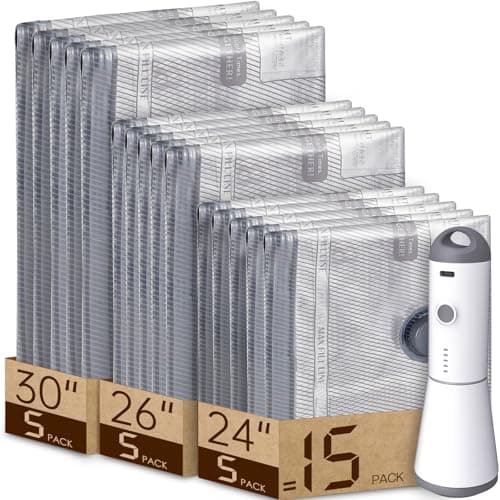
| A low entry cost if you choose roll-up bags | A pump to charge and carry, if you choose a pump set |
The cheapest way to find out
Buy a pack of roll-up bags before you buy anything with a pump. They cost a fraction as much, need no equipment, and will tell you within one trip whether you are the kind of packer who uses these or the kind who seals one bag, finds it annoying and goes back to cubes. If you turn out to be the former, upgrade to a pump set and get the full effect. If you turn out to be the latter, you have spent very little and learned something — and the honest answer for most readers is that a compression cube is the better everyday tool, with one sealed bag kept in reserve for the coat and the laundry.
If you decide yes, the full ranking of the category — roll-up against pump, with cost per bag and the honest weight warning — is in our best compression bags for travel roundup. The method for using them properly, including without a vacuum, is in how to use compression bags.