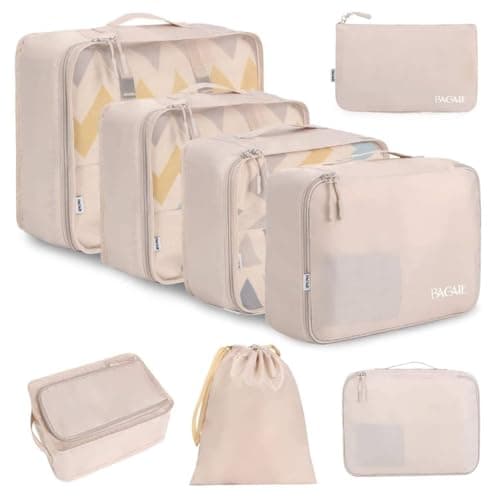
Almost everything written about packing a hospital bag is a checklist of what goes in it. This page is about the other half of the problem, which is how it comes out — because a hospital bag is one of the very few bags you pack that somebody else will unpack, at speed, while you are unable to direct them, in a room neither of you has seen before.
That single fact changes what a good cube is. Compression is irrelevant: you are carrying this from a car to a room, not fitting it into an overhead locker. Durability barely matters: it is a bag used intensively for a few days. What matters, overwhelmingly, is that a person who did not pack the bag can find one specific item in it without taking everything out.
Three bags inside one bag
The arrangement that works is to treat the hospital bag as three or four separate, self-contained packages that happen to travel together:
- Labour. The things wanted in the first few hours. This cube should be the one nearest the opening, and nothing else should be in it.
- After. A change of clothes, toiletries, whatever makes the following day bearable. Usually the largest cube.
- Baby. Kept entirely separate, because it is the one somebody else will be sent to fetch from.
- Going home. A complete outfit for each person, packed as an outfit and never raided — the same discipline that makes a diaper bag work once you are home.
If there is a partner staying, a fifth cube for them keeps their things from becoming an unlabeled layer at the bottom. And whatever the count, one lined bag should stay empty until it is needed.
Why mesh matters more here than anywhere else
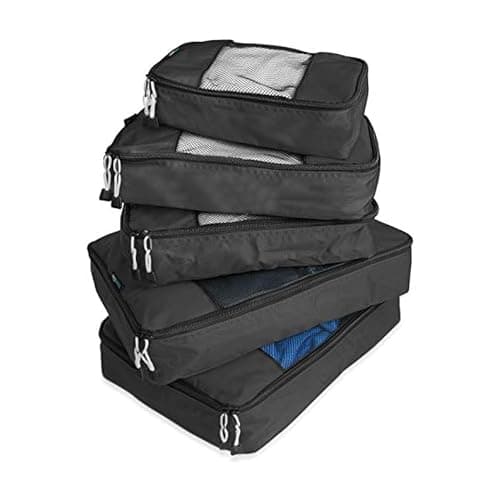
On a normal trip a mesh panel is a convenience. Here it is close to the entire specification. The person opening this bag is looking for one thing, does not know your system, and is not going to unzip four identical rectangles to find it. A mesh top means they see the contents of every cube in one look at the open bag.
The upgrade on mesh is color. Assign a color per person — one for you, one for the baby, one for a partner — and the instruction becomes the blue one rather than a description of contents. It is the cheapest usability improvement available, and our color-coding guide covers how to make it stick.
The container nothing else replaces
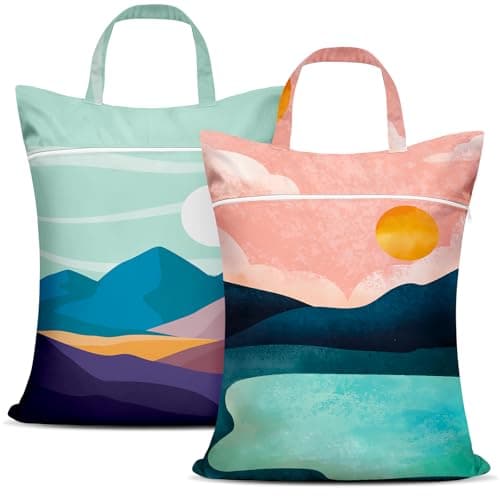
Every cube on this page is fabric, and fabric is not a liquid barrier. A hospital stay reliably produces something that comes home wet or soiled, and the honest answer is a bag with a waterproof lining — not a cube, not a carrier bag from the hospital, and not the clean side of anything. It is the cheapest item ranked here and the one we would keep if we could only keep one.
How these were ranked
On findability first — can someone else locate one item fast — then separation, build, weight and value, against the published rubric used site-wide. The scores are judgments from documented research, not measurements: this site does not run a testing lab and says so everywhere. Every dimension, weight, fabric and piece count above is the figure in that product's own Amazon listing, and prices are pulled live from Amazon and date-stamped. Nothing on this page is medical advice — what to pack is a question for your midwife or hospital, and this page is only about the containers.
The buyer's guide: packing a bag someone else will open
Pack it early, then leave it alone
The practical argument for cheap cubes here is that the bag should be packed weeks before it is needed and then not touched. That only works if the cubes in it are not also the cubes you use for everything else — the moment you borrow one back for a weekend away, the bag is no longer ready. Budget sets make owning a dedicated set a non-decision, which is why they top this page rather than the premium options that win elsewhere on the site.
Label by person, not by contents
Vests and sleepsuits is a label that helps whoever wrote it. Baby, day one is a label that helps whoever is sent to the car. Write the labels for the person with the least information, not the most, and put them where they can be read without lifting the cube out. A luggage tag through the zip pull takes thirty seconds and is the highest-value thing on this whole page.
Keep the labour cube at the top, always
Physical order inside the bag is doing as much work as the cubes are. Whatever is wanted first goes in last, sits at the opening, and gets put back there every time. It is the same principle as packing a carry-on so the thing you need in the air is not at the bottom — set out in how to pack a suitcase with packing cubes — and it matters more here than it does on a plane.
Do not pack the going-home outfits in with anything else
A going-home outfit that has been raided for a spare pair of socks is not a going-home outfit any more. Pack each one complete, in its own cube, and treat that cube as sealed. This is the same rule that makes a spare-outfit cube work in a changing bag, and it fails in exactly the same way when it is ignored.
Buy one lined bag more than you think you need
Two is the right number, and two is what the pack above contains. One is in use; one is clean. The failure mode with a single bag is that the moment it is full and in the wash, the next wet thing goes into a cube — and then the cube needs washing too. For a wider range of lined and waterproof options, our travel laundry bags page ranks the lot.
The short version
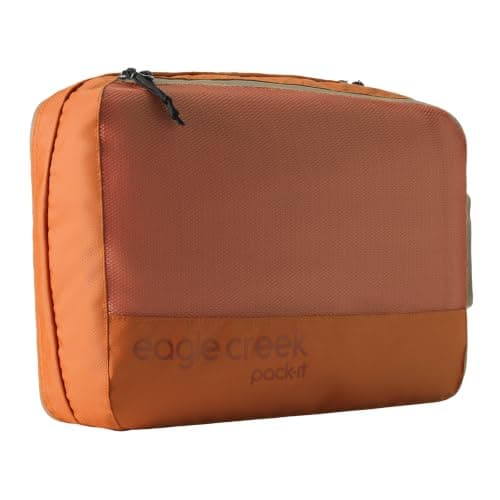
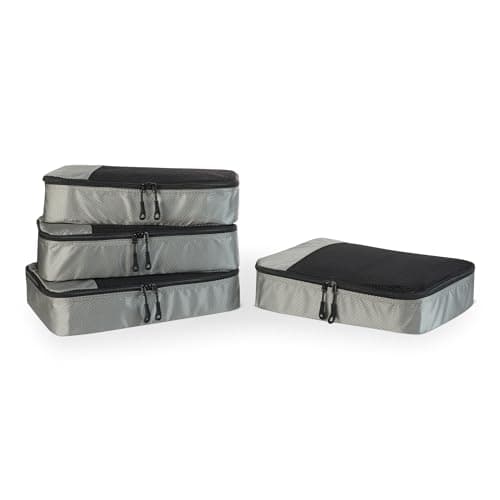
Bagail's eight-piece set plus the waterproof wet bags is the complete answer for most people, for very little money, and it can be packed a month early and forgotten. Add the Eagle Creek divided cube if you would rather the soiled-clothes decision were already made for you. Want fewer, better cubes instead of more cheap ones? TravelWise's five-piece. Buying on the tightest budget? The Amazon Basics four-piece, with its XL for the going-home things. If you have never used cubes before and want the concept first, what packing cubes are is a five-minute read that will make the rest of this obvious.