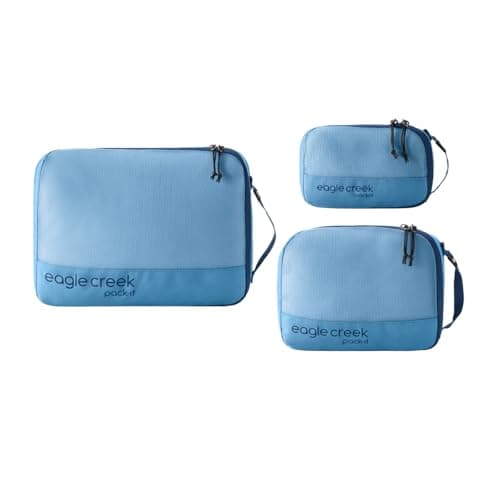
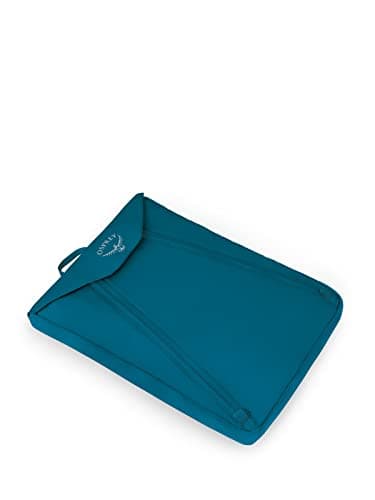
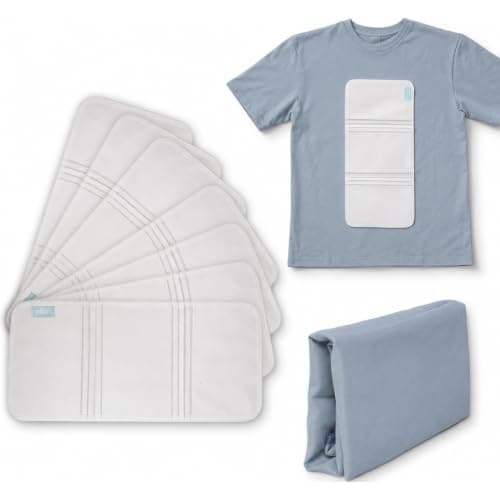
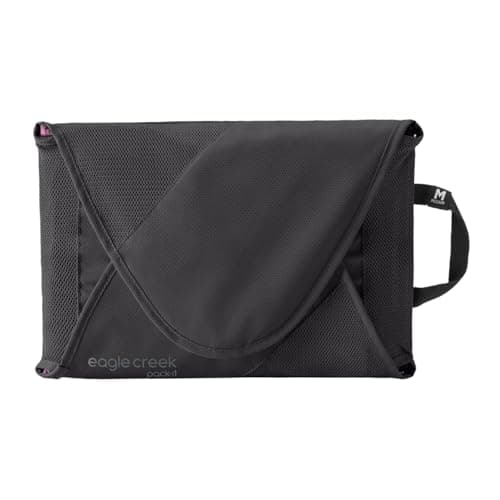
Buy both, in the proportion one folder to three cubes. The cubes do the organizing - they sort the bag into categories you can find and open independently, and they take any shape of garment. The folder does one job that no cube can do: it holds the two or three garments that have to arrive flat, flat. If you genuinely have to choose one, choose cubes unless the specific trip is a wedding, an interview or a conference, in which case choose the folder.
These are not competing products, and the search suggests they are
The query “garment folder vs packing cube” assumes a choice, and the honest answer is that they solve different problems that happen to live in the same bag. We also have a guide on packing cubes versus garment bags, which is a different comparison again - a garment bag keeps clothes on hangers and travels as its own luggage. A folder is a flat, zipped, suitcase-sized envelope. Three formats, three jobs.
What a folder actually does
A garment folder is a flat sleeve with wrap-over wings and, in the better ones, a rigid board. You lay the shirt face down, fold the sleeves in, fold the body around the board, and close the wings over it. The result is one engineered horizontal crease rather than random creasing, and the garment is held in that shape by the sleeve so it cannot move. Depth is one to two inches, so it lies on the base of a case under everything else and the pressure actually helps.
What it cannot do is any of the organizing work. A folder holds flat garments. Socks, underwear, a fleece, swimwear, shoes - none of it has anywhere to go in a folder, which is why nobody travels with folders alone.
What a cube actually does
A cube is a zipped box that makes one category of clothing into one liftable unit. That is the entire mechanism, and it is more useful than it sounds: you can find things, you can open one container without disturbing the rest, you can lift a whole category into a hotel drawer, and a firmly packed cube stops clothes sliding around - which does reduce the creasing that movement causes.
What it cannot do is control a fold. Pack a dress shirt in a cube and it will be creased roughly where you happened to fold it, plus wherever the cube's own seams and contents pressed in. Compression cubes are worse at this, not better, because the whole point is to apply pressure. Our do packing cubes wrinkle clothes guide works through exactly where that creasing comes from.
The comparison
| — | Garment folder | Packing cube |
|---|
| What it is for | Keeping flat garments flat | Sorting a whole bag into findable categories |
| Crease control | One deliberate fold, held in place | Reduces movement; does not control the fold |
| What fits | Shirts, blouses, trousers, a dress | Anything, including socks, bulk and shoes in a bag |
| Depth in the case | 1–2 in, lies flat against the base | 3–5 in, stacks in columns |
| Published empty weight | 0.41–0.59 lb for the two in our catalog that publish one | Varies; most cube sets publish no empty weight at all |
| Access mid-trip | Open the wings, take the top garment | Unzip one cube, take anything, re-zip |
| How many you need | One, almost always | Three for most trips, more for long ones |
| Works at home | Rarely | Yes - a packed cube is a drawer divider |
How to split your bag between them
- Folder: dress shirts, blouses, a suit jacket folded at the shoulder, trousers, one dress. Anything where arriving creased has a cost.
- Cubes: t-shirts, knitwear, underwear and socks, workout clothes, sleepwear, swimwear. Anything that is going to be creased anyway or does not show it.
- Neither: shoes (a shoe bag), liquids (a quart bag), cables (a pouch), worn clothes (a laundry bag). A cube is the wrong container for all four and people use it for all four.
The one-folder-three-cubes bag
For a carry-on: the folder flat on the base with two shirts and a pair of trousers; a medium cube of tops; a small cube of underwear and socks; a small cube of sleepwear and swimwear; shoes in a bag at the wheel end; a quart bag in the lid. That is a four-day business trip, a long weekend, or a week if you do laundry once. Our how to pack a carry-on guide has the loading order, and our garment folder roundup ranks the folder category properly if you want more than the two here.
How we scored the four picks
Crease control - what the format does to a garment that has to arrive flat, judged on the mechanism and on whether a board is included. Capacity - published dimensions and stated item counts. Access on the road - what it costs to retrieve one garment. Versatility - how many of the things in a bag the format can hold at all. Value - live price against what it replaces. Our methodology states plainly that these are judgments from documented specs and listings, not measurements we took. We have not ironed a shirt to score a crease.