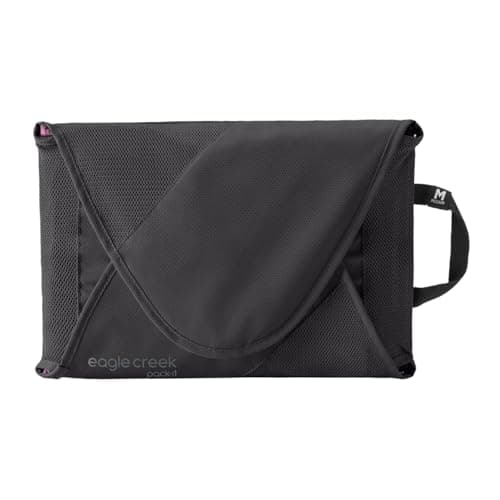
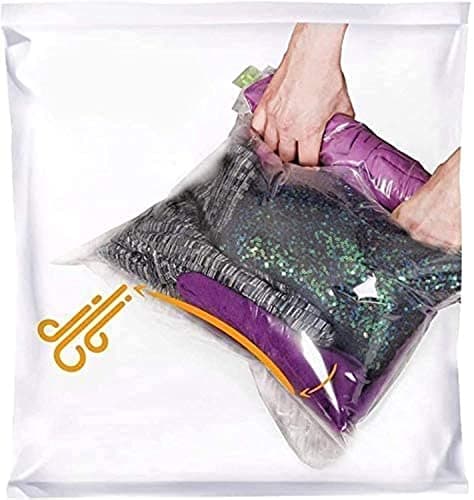
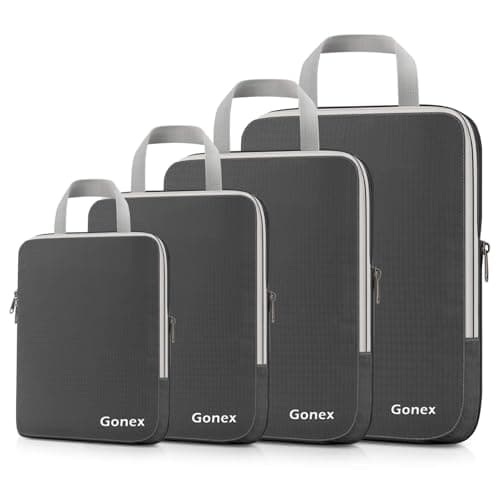
Yes. A compression bag creases clothes more than a packing cube does, and more the longer it stays sealed - compaction holds fabric in whatever fold it was in and time sets the crease. The fix is not a better bag; it is a split. Put crease-proof bulk in the bag - knitwear, fleeces, puffer jackets, towels, the laundry on the way home - and put anything that has to arrive pressed in a flat garment folder instead. If you want compression without the penalty, the compromise is a compression cube: less squeeze, much less crease.
Why a sealed bag creases more than a cube
Creasing in fabric is a fold plus pressure plus time. All three matter, and a compression bag maximises two of them.
A packing cube applies modest pressure and, importantly, applies it evenly to a stack that is not moving. A firmly packed cube actually reduces creasing compared with loose clothes sliding around a suitcase, because movement is itself a source of random folds. That is the counter-intuitive finding on our do packing cubes wrinkle clothes page, and it holds.
A compression bag is different in kind. Removing the air does not just hold the clothes still - it collapses the fabric onto itself with the full force of atmospheric pressure outside the bag, which is far more than you can apply by hand. Every fold that happened to be there when you sealed it is now pressed with real force, and it stays pressed for the whole journey. Fabric under sustained pressure takes a set. Open the bag at the other end and the clothes do not spring back; they unfold still creased, in lines you did not choose.
The three variables that decide how bad it is
- How long it stays sealed. An overnight flight is survivable. Four days in a sealed bag in a hot car boot is the worst case, and it is a genuinely different result from the same bag opened six hours later.
- What the fabric is. This is most of the answer and almost nobody says it. Linen and untreated cotton crease if you look at them and will come out of a compression bag unwearable. Merino and other wools recover remarkably well - hang them and most of it drops out in an hour. Technical synthetics, fleece and knitwear barely register compression at all. Denim creases but nobody minds.
- How you folded it going in. You cannot stop the pressure, but you can choose where the folds are. A garment folded deliberately into two long panels comes out with two long creases, which hang out. The same garment stuffed in comes out with a random map of them, which does not.
Which clothes belong in a compression bag
| Garment | Compression bag? | Why |
|---|
| Puffer jacket, fleece, insulated layer | Yes - ideal | Almost entirely trapped air, and creasing is invisible |
| Knitwear and sweaters | Yes | Big volume gain, and knit structure hides compression marks |
| Towels and bedding | Yes | Bulky, compressible, and nobody irons a towel |
| T-shirts and casual cotton | Acceptable | Will crease, hangs out overnight, nobody is looking that closely |
| Jeans and heavy trousers | Acceptable | Already dense, so little is gained - but little is lost either |
| Worn clothes on the return leg | Yes - the best use there is | Going in the wash anyway; sealed stops being a drawback |
| Dress shirts and blouses | No | Pressure plus time sets exactly the creases you are trying to avoid |
| Linen anything | No | The least forgiving fabric there is under sustained compaction |
| A suit or tailored jacket | No | Structured canvas and shoulder shape do not recover from being flattened |
| A dress for an event | No | One crease in the wrong place is the whole cost of the trip |
How to use one and still arrive presentable
- Split the bag by crease tolerance, not by category. One sealed bag for bulk and crease-proof fabrics; a flat folder for the two or three garments that matter; cubes for everything in between.
- Fold deliberately before sealing. Long, flat, parallel folds. The pressure is coming either way; choose where it lands.
- Open it on arrival, not on day three. The crease sets with time. Hang everything the moment you are in the room and most of what came out of a merino or synthetic garment will drop out within the hour.
- Use the bathroom. Hang the worst offender in the bathroom and run a hot shower with the door closed. It is not a steamer but it is free and it is in every hotel.
- Reconsider whether you need the bag at all. If your limit is weight rather than volume, compression does nothing for you and you are paying the crease penalty for no gain - see do compression bags reduce weight.
So should you buy compression bags?
If your trip has a bulky, lofted load going into a volume-limited bag - a ski trip, a winter trip, a trip where the coat is the problem - yes, and the creasing is a fair price for the space. If your trip is shirts and trousers for meetings, no: buy a garment folder and three cubes instead. Our are compression bags worth it guide is the yes-or-no, and the compression bag roundup ranks the category if you have decided.
How we scored the three picks
Crease behaviour - judged on the mechanism: how much sustained pressure the format applies to a fold, and for how long. Compression- how much volume the mechanism can physically remove, judged on the mechanism and not on any brand's percentage claim; we publish no compression percentage anywhere on this site because we have not measured one and no brand selling these publishes a method. Keeps clothes sorted - whether categories survive. Access on the road - what retrieving one garment costs you. Value - live price against what it replaces. Our methodology states plainly that these are judgments from documented specs and listings, not measurements we took. We have not run a crease test.