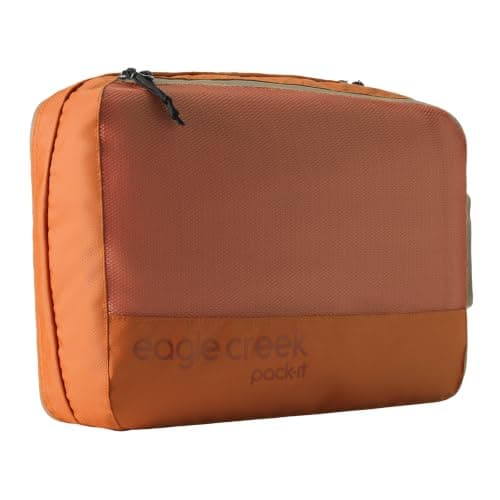
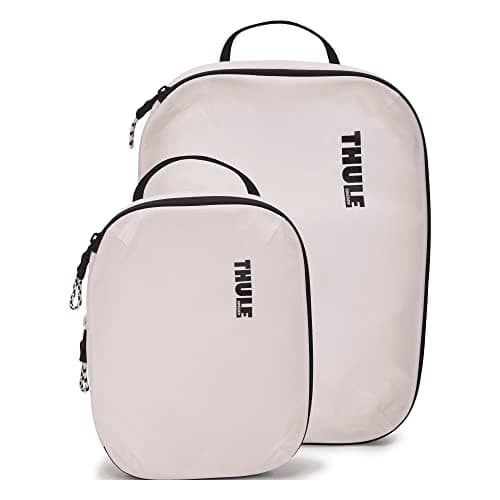
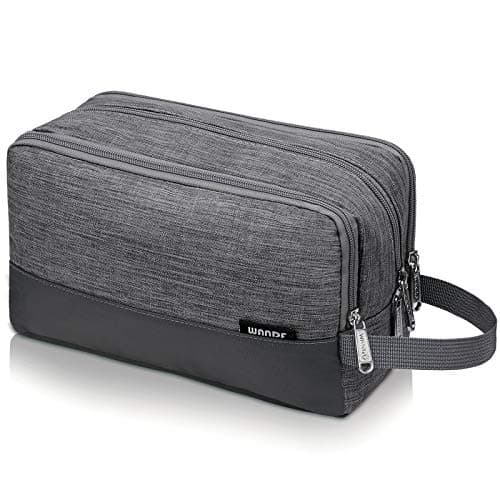
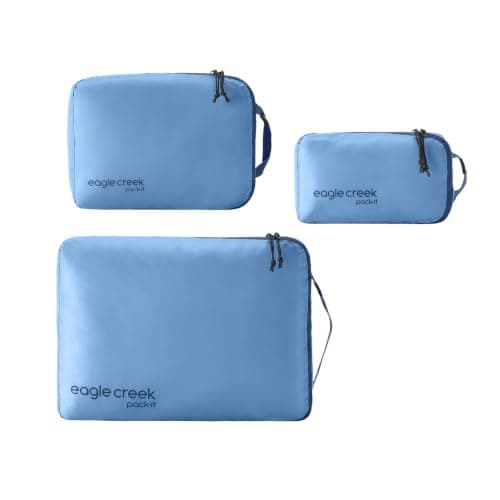
The problem with buying for someone who flies constantly is that the good ideas are taken. They own luggage they chose carefully. They have a system. They have almost certainly bought themselves a cheap set of packing cubes at some point, which means the single most common travel gift is also the most likely duplicate. So this page does not repeat the beginner list. It looks at what a regular flyer has that is worn out, what they own a cheap version of, and what gap they have never filled because filling it costs more than they would spend on themselves.
Three gifts that work on someone who already has everything
The upgrade.Frequent travelers wear gear out. Budget cubes fray at the zip after a few dozen trips, and the person using them notices, shrugs and keeps going — because replacing something that still technically works is nobody's priority. A lifetime-warranty set is the gift that makes that decision for them.
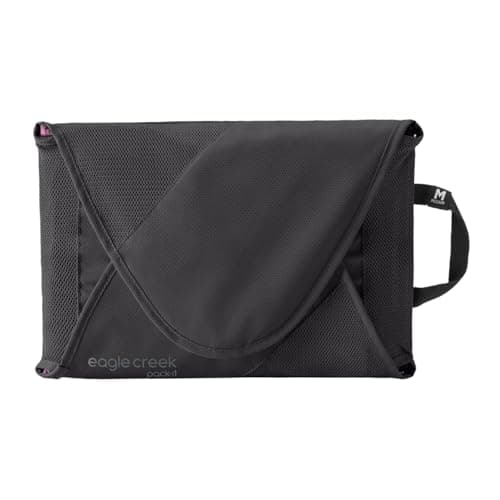
The gap. Most people build a packing system in the wrong order: cubes first, then everything else if they remember. The gaps that persist are the clean/dirty split, the cable pouch and the garment folder — each solves a problem the flyer has weekly and each is easy to keep postponing.
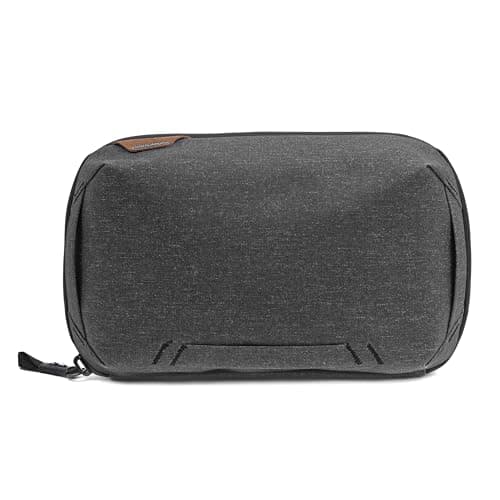
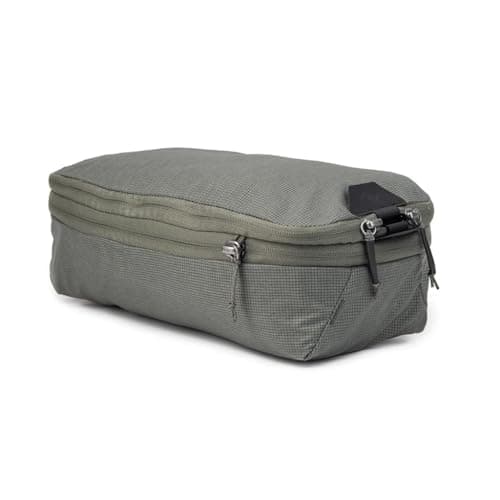
The thing they would never buy themselves. There is a band of gear that is genuinely excellent and genuinely hard to justify: a $60 pouch for cables, a single cube that costs what eight cost. A frequent flyer knows exactly how good these are and will not buy one. That makes it an almost perfect gift.
What frequent flyers do not need
Worth saying plainly, because it saves money. They do not need another basic cube set — buy a different container instead. They do not need a travel pillow, a luggage scale or a universal adapter; a regular traveler either solved these years ago or deliberately chose not to carry them. And they do not need anything that adds weight for a rare situation, because the whole discipline of flying often is keeping the bag light.
How the scoring works on this page
The five metrics here are gift-fit rather than the site's standard cube rubric: Usefulness, Build, Gift appeal, Universality and Value. They are judgments from published manufacturer specs, listing details and aggregated owner feedback — we do not test gear on planes and never claim to, which is set out in full on our methodology page. Every dimension and weight quoted above is the manufacturer's own figure. Prices are pulled live from Amazon and date-stamped.
Matching the gift to how they actually fly
Carry-on only, every trip
Weight and volume are the constraint, so the gift should replace something rather than add to the pile. A single dual-compartment cube or a compression set both do that. A big ten-piece set does the opposite. The carry-on roundup is built around the same constraint.
Suits and shirts
A garment folder is the only thing here that changes how the clothes arrive rather than how they are sorted. It is a narrow gift — useless for a casual wardrobe — but for the right person nothing else substitutes. More options in the garment folder roundup.
Long trips and laundry on the road
Once a trip passes about three days, clean and dirty clothes start sharing space. A divided cube handles one person; a set with a bundled laundry bag handles a family or a longer stint. We rank both together in packing cubes with a laundry bag.
The one who works from the road
Cables, chargers, a power bank, dongles. A proper tech pouch with fixed loops is the fix, and the difference between a $13 organizer and a $60 one is real but not proportional — the cheap one solves the tangle, the expensive one is a pleasure to use. Both are in the tech organizer roundup.
The duplicate check, in one question
Ask them what they wish they had space for, or what annoyed them on their last trip. It does not spoil a surprise — nobody guesses "packing organizer" from that question — and it is the single most reliable way to avoid buying the one thing they already own.