When your bag rides on your back, its own empty weight is weight you carry all day. A standard cube's fabric and zippers add only a few ounces each — but across a full kit, and over miles, that adds up. Ultralight cubes use nano-ripstop that weighs a fraction of standard fabric, so you keep the organization and shed the grams. This list ranks the lightest options, and is honest about what the light fabric gives up.
The weight-vs-durability trade
There's no free lunch: the same thin nano-ripstop that makes a cube feather-light is less abrasion-resistant than heavy fabric. For careful one-bag travelers that's a fine trade; for people rough on gear, it isn't. Ultralight cubes reward packers who treat their kit gently and want every gram off their back. If durability matters more than weight, a standard set is the better buy.
Does ultralight mean no compression?
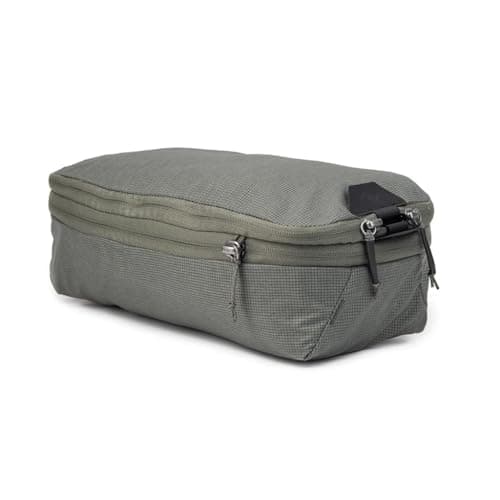
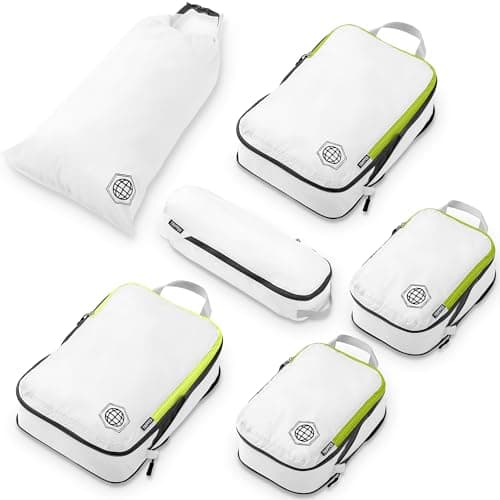
Usually, yes — plain ultralight cubes skip the second zipper to save weight. If you want both light weight and compression, the Peak Design Small builds compression into one cube (at a weight and price premium), and lightweight compression sets like TRIPPED split the difference. Decide which you value more; you rarely get the lightest possible cube and real compression at once. The compression hub covers the trade.
Ultralight and one-bag travel
Ultralight cubes and backpack travel go together — a top-loading pack punishes weight and rewards findability. If you're building a one-bag kit, pair this list with our backpacking roundup, which ranks cubes for exactly that use.
The short version
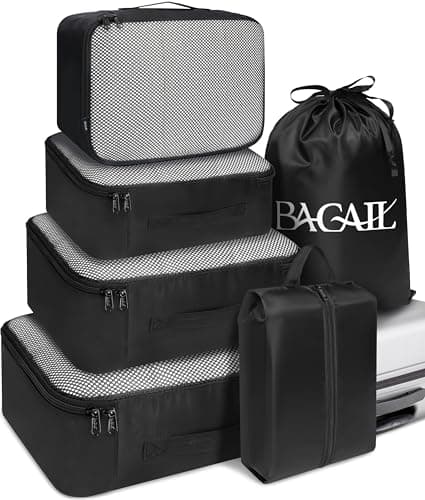
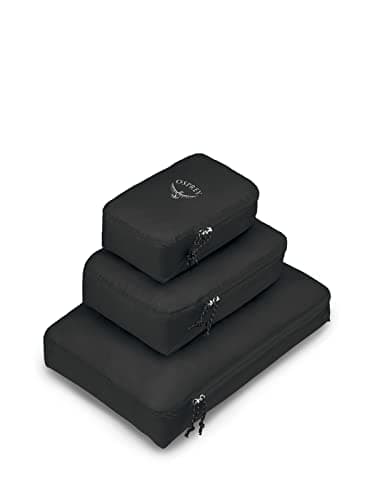
If weight is everything, Osprey's ultralight set is the pick. Want compression too? Peak Design's Small or the lightweight TRIPPED set. On a budget, a small Bagail set is light-ish for far less. Whatever you choose, keep the kit small — the fastest way to save weight is to pack fewer clothes, not just lighter cubes.
If you want the numbers rather than the category name, the published empty weights — and what they actually cost you against a cabin allowance — are worked through in do packing cubes add weight.